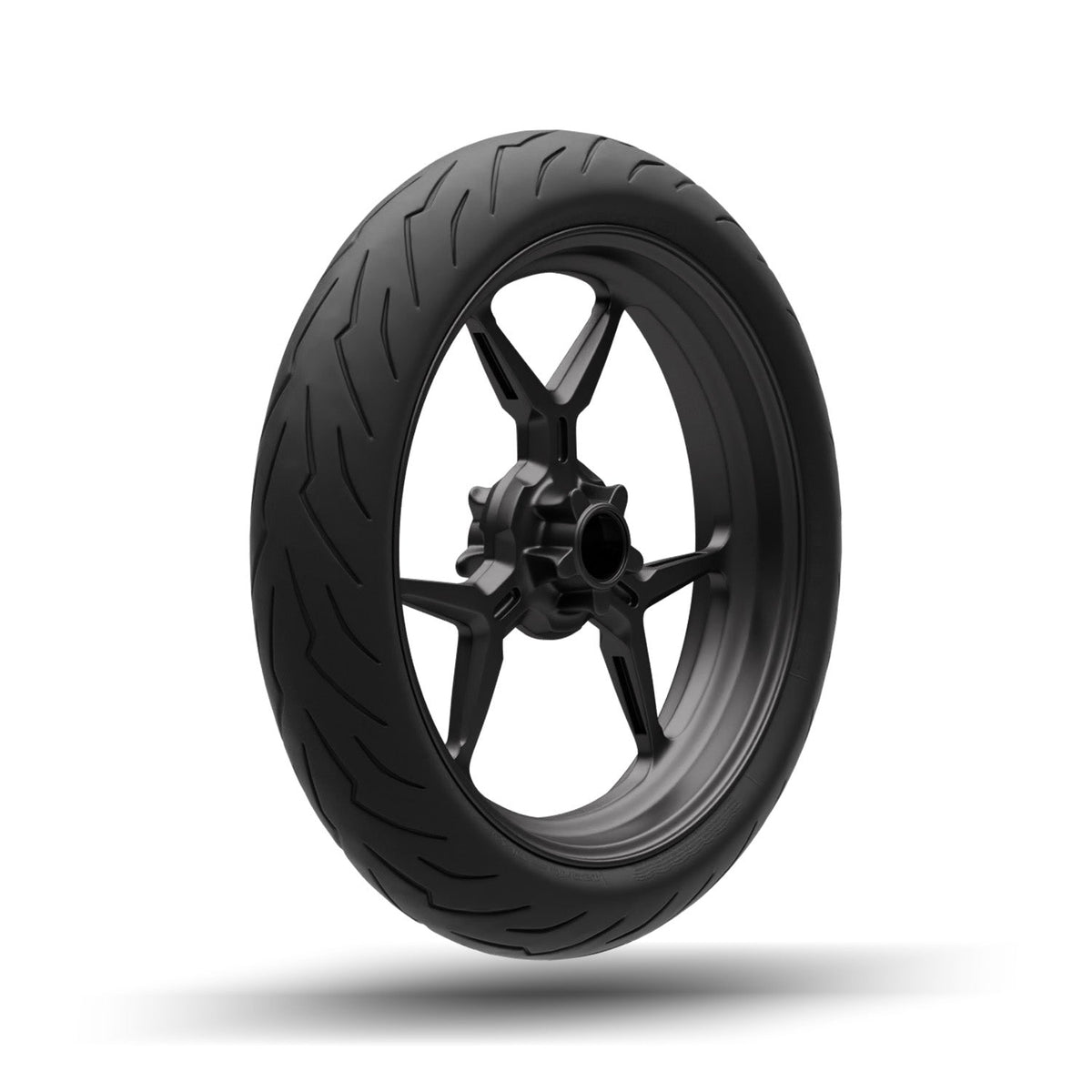
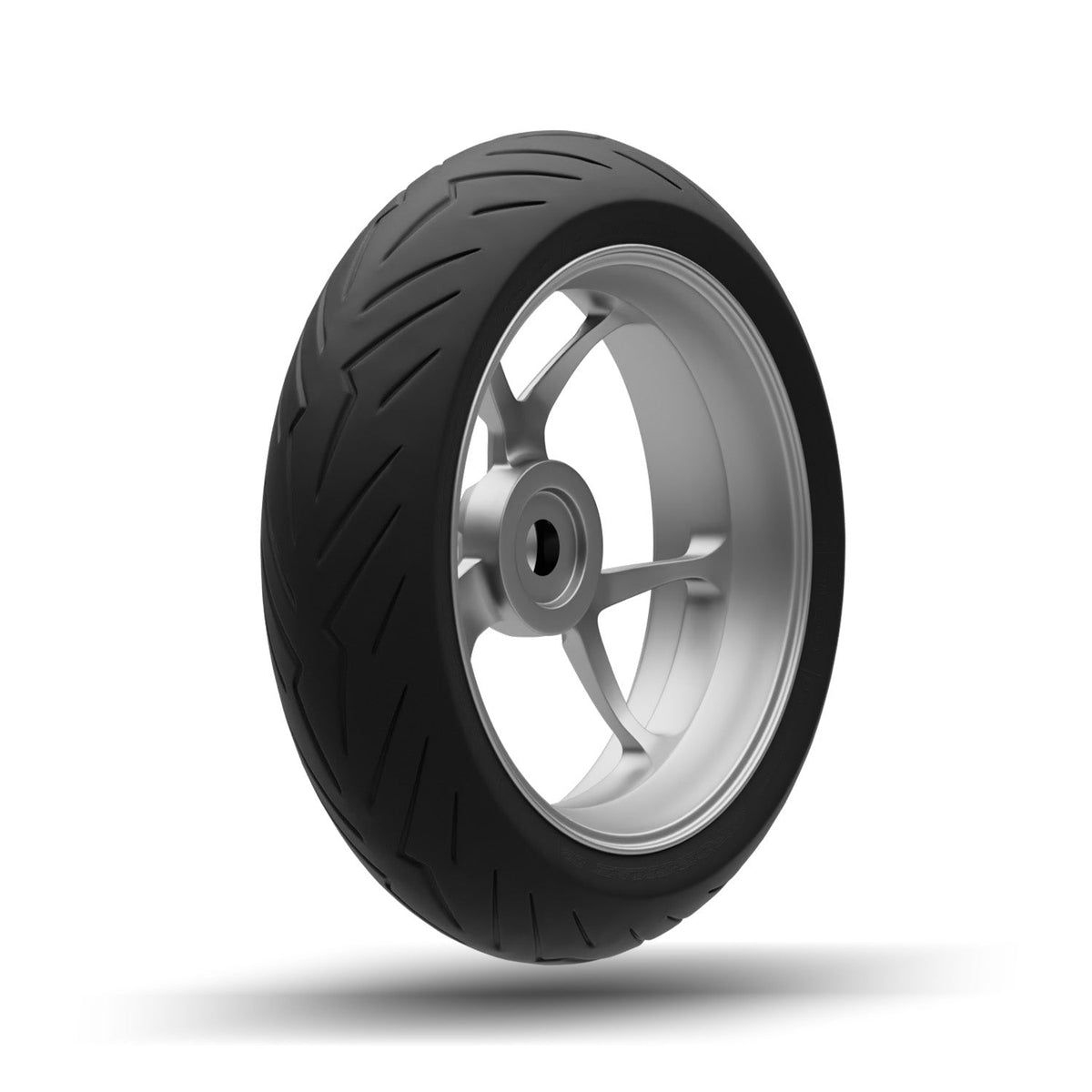
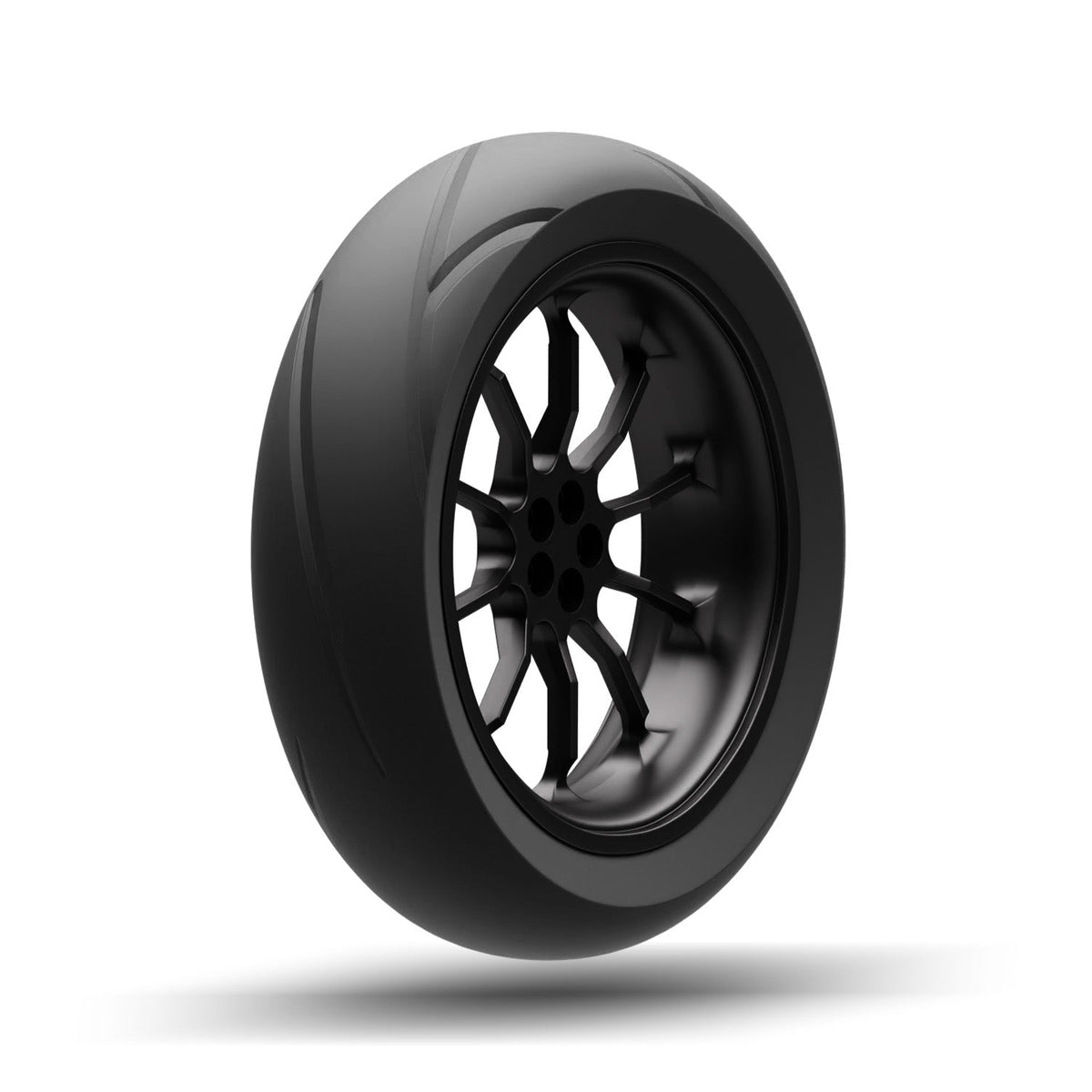
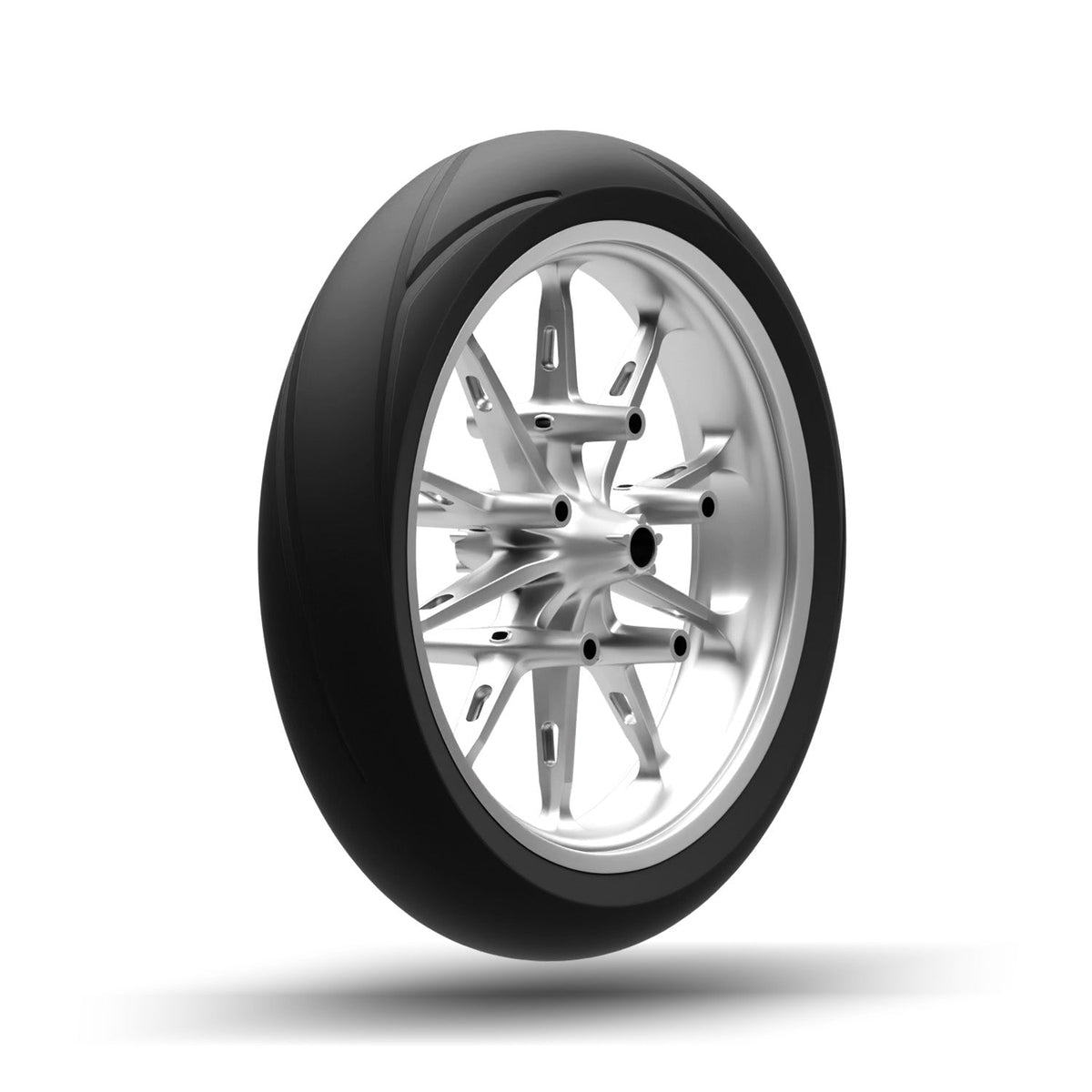



Wheels play a major role in both the appearance and performance of your vehicle. The right set can completely transform its look, improve handling, and provide the proper fitment for your tires. However, choosing new wheels involves more than simply picking a design you like.
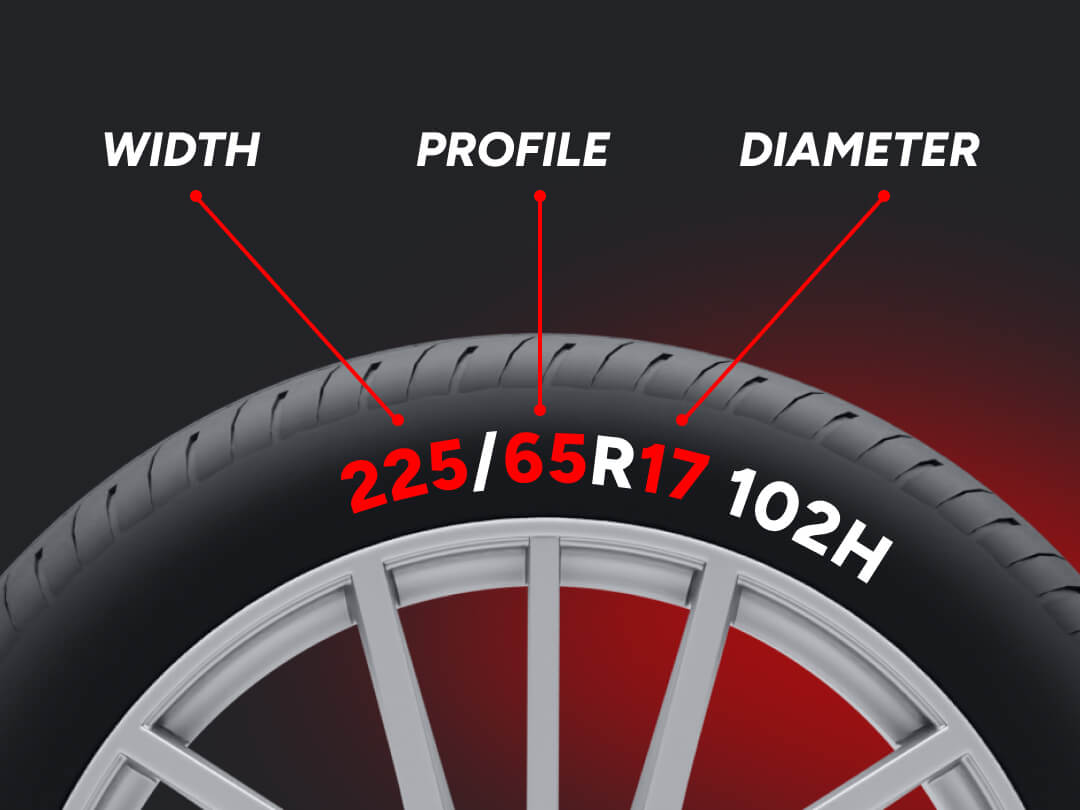
Before upgrading, it is important to understand key specifications such as wheel diameter, width, bolt pattern, offset, and center bore. These measurements determine whether a wheel will fit your vehicle correctly and work safely with your suspension, brakes, and tires.
Key Wheel Specifications
Specification |
What It Means |
Why It Matters |
| Diameter | The size of the wheel measured in inches | Must match the tire size and provide adequate clearance |
| Width | The distance between the inner and outer wheel edges | Affects tire compatibility and vehicle handling |
| Bolt Pattern (PCD) | The number and arrangement of wheel mounting bolts | Must match your vehicle's hub |
| Offset (ET) | The position of the wheel relative to its mounting surface | Influences clearance, stance, and suspension fitment |
| Center Bore | The diameter of the hole in the center of the wheel | Helps ensure proper alignment with the vehicle hub |
A larger wheel diameter can create a more aggressive and modern appearance, while wider wheels may allow for wider tires and improved grip. However, increasing wheel size without considering tire dimensions, offset, and available clearance can negatively affect ride comfort and vehicle performance.
The best wheel upgrade is not just about looks — it is about finding the perfect balance between style, fitment, performance, and safety.
Choosing the Right Style
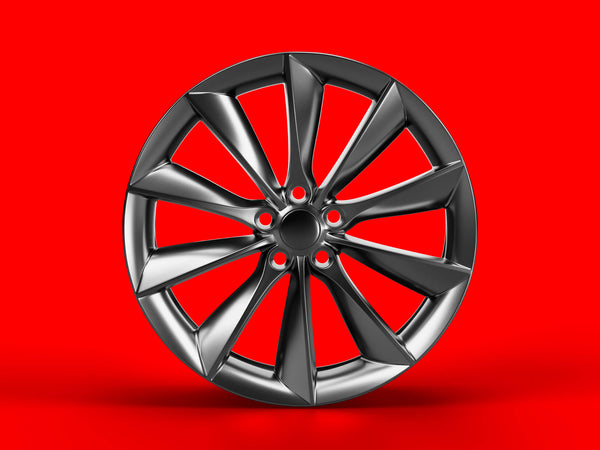
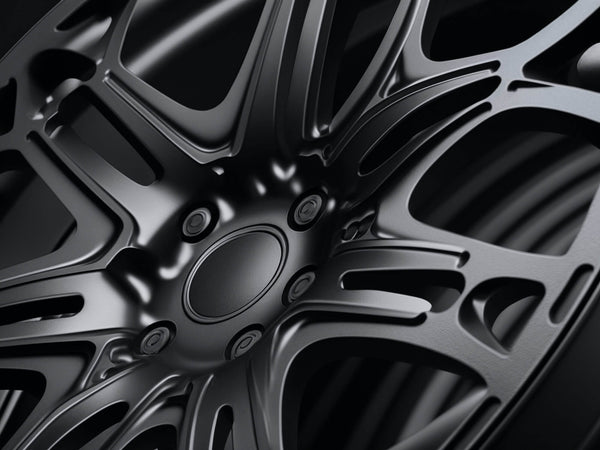
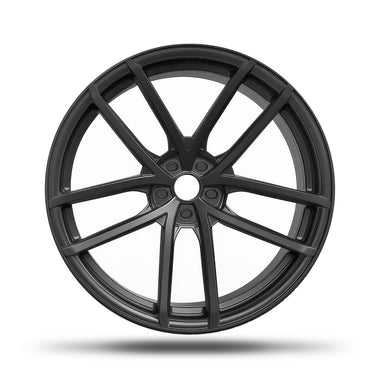
Wheel design is largely a matter of personal preference. Some drivers prefer clean and classic multi-spoke designs, while others choose bold split-spoke, mesh, or deep-dish styles. The finish also makes a significant difference, with popular options including gloss black, matte black, silver, bronze, and machined surfaces.

Material is another important consideration. Alloy wheels are popular because they offer a good balance of strength, weight, and style. Different wheel constructions can also affect durability and overall vehicle performance.
Don't Forget About Proper Fitment
Even the best-looking wheels can cause problems if the fitment is incorrect. Always check the recommended specifications for your vehicle and confirm compatibility with your tires, brakes, and suspension setup before making a purchase.
At Tires & Wheels, we believe that choosing the right wheels should be simple and straightforward. Whether you are looking for a subtle upgrade, a sporty appearance, or a complete transformation, understanding the basics of wheel fitment will help you make the right decision.
Explore different sizes, styles, and finishes to find wheels that match both your vehicle and your driving needs.